

Let’s be honest. The future of getting around is looking… well, electric. And smaller. It’s not just about the family sedan anymore. It’s about the hum of an EV, the whir of an e-bike, and the zip of an electric scooter. But here’s the deal: this shiny future comes with a price tag. And for most of us, that means figuring out how to pay for it.
That’s where financing steps in. It’s the bridge between dreaming about a car-free commute or a gas-free road trip and actually making it happen. This isn’t just about car loans anymore. We’re talking about a whole new ecosystem of personal transport—and the creative ways to fund it.
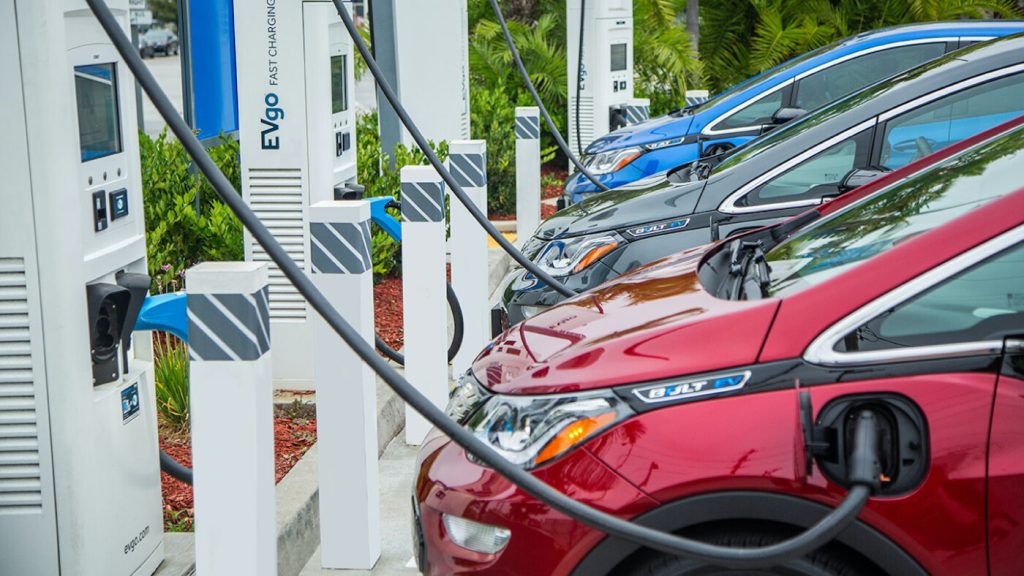
The EV Loan: Your Ticket to the Mainstream Electric Highway
Sure, electric vehicles are becoming common, but they’re still a significant investment. Financing an EV feels a lot like financing a traditional car, but with some crucial, money-saving twists. You know, the good kind of twist.
What Makes EV Financing Different?
First, you’ve got those federal tax credits—up to $7,500 for new models that qualify. Some states throw in extra incentives, too. This doesn’t lower your monthly payment directly, but it’s a massive chunk of change back in your pocket, which effectively reduces the total cost you financed.
Then there are the lenders. Many banks and credit unions now offer green auto loans with slightly lower interest rates for eco-friendly vehicles. They’re betting you’re a lower risk—and rewarding you for it.
But here’s a pro tip everyone misses: consider the total cost of ownership. You’re not just financing a purchase price. You’re financing out of gas stations, oil changes, and a lot of complex engine repairs. That monthly loan payment? Part of it is offset by what you won’t be spending elsewhere.
Two-Wheeled Freedom: Financing an E-Bike
This is where things get interesting. A top-tier e-bike can cost as much as a used car—$3,000 to $8,000 isn’t uncommon. Dropping that much cash upfront is a big ask. Thankfully, the financing landscape is adapting, fast.
Direct-to-consumer e-bike brands often partner with point-of-sale financing companies (like Affirm or Klarna). You apply at checkout and get a decision in minutes. It’s scarily easy. These are usually installment plans, not traditional loans, with terms from 6 to 36 months.
But don’t forget the old guard! Your local bike shop might have a partnership with a lender. Even some credit unions have started offering “micromobility loans” or personal loans labeled for this exact purpose. The interest rates might be better if you have strong credit.
Why Finance a Bike? The Math That Persuades
Think of it this way: if a $2,500 e-bike replaces a $200 monthly public transit pass or even half your rideshare trips, it pays for itself in well under a year. Financing just smooths that initial hill—literally and figuratively. You’re not buying a toy; you’re buying a legitimate, sweat-free, car-replacement tool.
The Micro-Mobility Mix: Scooters, Mopeds, and Beyond
This is the wild west. Electric scooters, electric mopeds, even electric skateboards. The price range is vast, from a few hundred to several thousand dollars. Financing here is less standardized, which means you need to be a bit more savvy.
For lower-cost items, a zero-interest credit card promo period (if you can pay it off in time) is a classic move. For bigger tickets—like a $4,000 Vespa Elettrica—a personal loan is often the go-to. It’s unsecured, so no collateral, but the rate depends heavily on your credit score.
Honestly, the best strategy here is to shop the product and the financing separately. Don’t get dazzled by the “only $99 a month!” offer at the dealer without checking your bank first. A little legwork can save you a ton.
Choosing Your Path: A Quick Comparison
| Vehicle Type | Avg. Cost Range | Common Finance Options | Key Consideration |
| Electric Vehicle (EV) | $35,000 – $70,000+ | Auto Loan, Green Loan, Lease | Factor in tax credits & fuel savings |
| E-Bike | $1,500 – $8,000+ | POS Installment, Personal Loan, Bike Shop Financing | Can it replace a car/transit expense? |
| E-Scooter/Micro | $500 – $5,000+ | Personal Loan, Credit Card, Store Financing | Depreciation can be steep; warranty is key |
Smart Borrowing for a Smarter Commute
No matter what you’re eyeing, the rules of smart borrowing haven’t changed. They’ve just put on a helmet. Check your credit score first—know where you stand. Get pre-qualified (it’s usually a soft credit check) to see real rates. Read the fine print on those sleek point-of-sale offers: what’s the actual APR if you don’t pay it off in the promo period?
And maybe the most important question: does the payment fit your life? Not just your budget, but your life. If a $300 monthly EV loan saves you $250 in gas and maintenance, that’s a net $50 cost. That’s a win. If a $75 e-bike payment eliminates a $100 monthly parking fee, you’re already ahead.
We’re financing more than metal and batteries. We’re financing a shift in how we live in our cities and on our roads. We’re borrowing against a future with cleaner air, quieter streets, and maybe—just maybe—a bit more fun on the way to work. The loan is just the vehicle.
About Author

You may also like
-
Beyond the 401(k): How Financial Wellness Programs and Smart Loan Alternatives Are Redefining Employee Benefits
-
Sustainable Finance and Green Loan Options for Eco-Conscious Borrowers
-
The Intersection of AI-Powered Personal Finance Apps and Loan Decisioning
-
Financing Your Tiny House: A Real-World Guide to Building and Living with Less
-
The Role of Emergency Funds in Managing Investment and Loan Risk